1300 947 572


We recently ran a Strength Deployment Inventory (SDI) session with a leadership team who thought they knew each other pretty well. Two hours in, one leader turned to a colleague and said, “So that’s why you go quiet in meetings when things get tense. I always read it as you not caring.”
She cared. A lot. She just showed it differently under pressure.
That single moment is the whole point of this work. Here are some of our most recent insights from our SDI workshops:
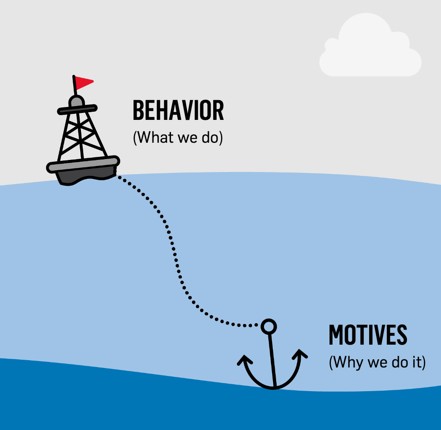
Motives are the anchor. Behaviours are the buoy.
Think of your motives like an anchor — fixed, steady, sitting on the seabed. It’s why you do what you do, and it barely shifts from your early twenties onward.
Your strengths and behaviours are the buoy on the surface. They drift and respond to the conditions around them. Two people can be tied to very different anchors and still show up with the same buoy on any given day, which is exactly why teams misread each other.
Even our best strengths can work against us
One of the ‘aha’ moments in an SDI session happens when we look at “overdone strengths” — the moment a strength gets used a little too hard for the room. Nobody sets out to overdo a strength. It’s usually well-intended, and it shows up when we’re already under pressure.
The fix isn’t to switch the strength off. It’s to notice it earlier, in yourself and others, and dial it up or down depending on who’s in front of you and what the moment calls for.
Conflict isn’t a character flaw – it’s a sequence
Here’s the SDI insight that changes how leaders handle friction in their teams: conflict behaviour runs in a predictable sequence, and almost nobody starts at their worst.
Stage one is the most productive place to resolve a disagreement, and most conflict never needs to leave it. Stage two is the “forget it, whatever” stage, where frustration starts to leak out. Stage three is self-preservation — hands thrown up, shutting down, or fighting mad. It’s rare, and it’s a sign someone feels genuinely threatened.
Once a team understands this conflict sequence, and can recognise where each other is at, the temperature can drop in a meeting and differences resolved.
The takeaway for leaders
This is about giving your teams a genuine appreciation for the ways they’re wired differently and a shared, non-judgemental language for why they sometimes clash. When teams can talk about conflict in one of Mindavation’s SDI sessions, they solve problems faster and trust each other more.
If you’re noticing recurring friction in your team, or a pattern of good people quietly misreading each other, it might be time for a conversation about what’s really driving the behaviour you’re seeing.
Mindavation has been helping teams build this kind of relationship intelligence since 1999. Get in touch to talk about running an SDI session with your team.
Contact us: [email protected]